

Every Family Deserves Clean Air at Home
Photo by Weston M
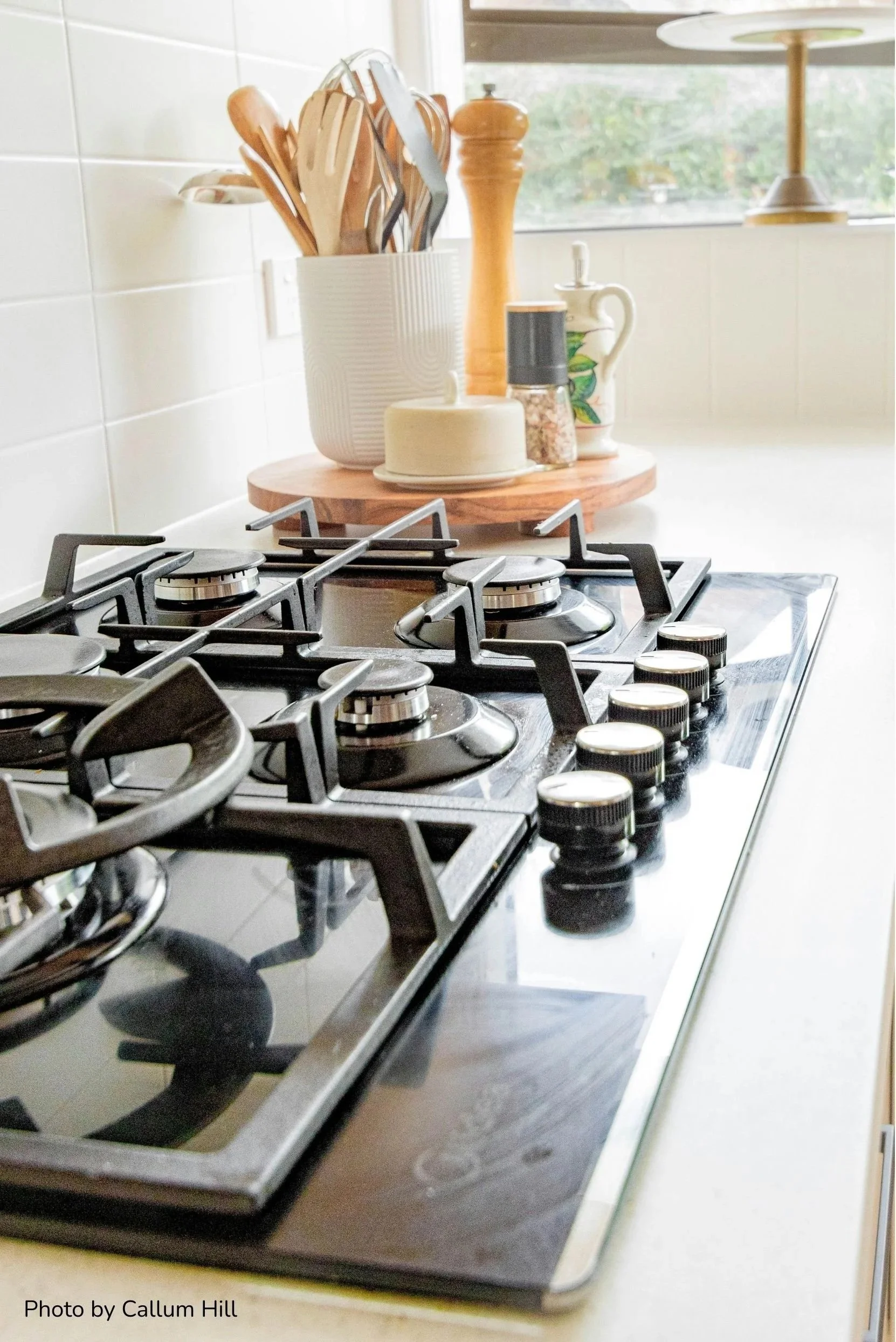
“Cooking with a gas stove indoors is associated with an increased risk of asthma among children in the US”
Why Indoor Air Quality Matters
Gas stoves are common in many homes, but they can release pollutants into the air while they are being used. Cooking with gas can produce nitrogen dioxide, carbon monoxide, and fine particles that stay in the home, especially when ventilation is limited.
That pollution can affect daily life in ways many people do not realize. Children may face greater asthma risks. Adults may experience headaches, breathing irritation, or dizziness. In smaller homes or apartments, or during colder months when windows stay closed, those pollutants can build up quickly.
The Hidden Impacts of Cooking With Gas
Gas furnaces and other gas heating systems can also affect indoor air quality. When appliances are aging, poorly maintained, or not vented correctly, they can release harmful pollutants into the air, including nitrogen dioxide and carbon monoxide.
These risks can be especially serious in winter, when homes are sealed tightly and families spend more time indoors. For households already dealing with asthma or other health concerns, poor indoor air can make everyday life harder and less safe.
Gas Cooking and Your Health
Take Action!
Testing your home’s air can help identify harmful pollutants and give you a clearer picture of what your family is breathing. It is one of the most important steps you can take to protect your health and advocate for a safer living space.
When families have real information about the air in their homes, they are better equipped to ask questions, seek support, and push for solutions.
Get your home air tested and take the first step toward a healthier home.
Signs your home air may need attention:
-
These symptoms may be a sign that something in your indoor air is affecting your breathing.
-
If asthma flares up more often at home, indoor air pollution or poor ventilation may be part of the problem.
-
Air that feels smoky, heavy, or slow to clear may be a sign that pollutants are building up indoors.
-
These symptoms can sometimes be linked to poor indoor air quality or exposure to harmful pollutants.
-
Moisture problems can affect air quality and may lead to mold or other unhealthy conditions in the home.
-
If you notice gas odors or have concerns about how an appliance is working, it is important to take those concerns seriously.
Community Resources
Families should not have to figure this out alone. Local programs and city resources may help you learn more about indoor air quality, home safety, energy efficiency, and options for cleaner cooking and heating.Healthy Homes Program
The Healthy Homes and Power of Home programs help low-income homeowners weatherize their homes and upgrade gas appliances to more efficient options. These improvements can lower energy use, improve comfort, and help families manage rising utility costs.
Ramsey County Asthma Resources
Ramsey County’s asthma page shares helpful information about asthma symptoms and common triggers in the home, including smoke, chemicals, dust, mold, and fragrances. It’s a useful resource for families who want to better understand how home environments can affect breathing and health.